
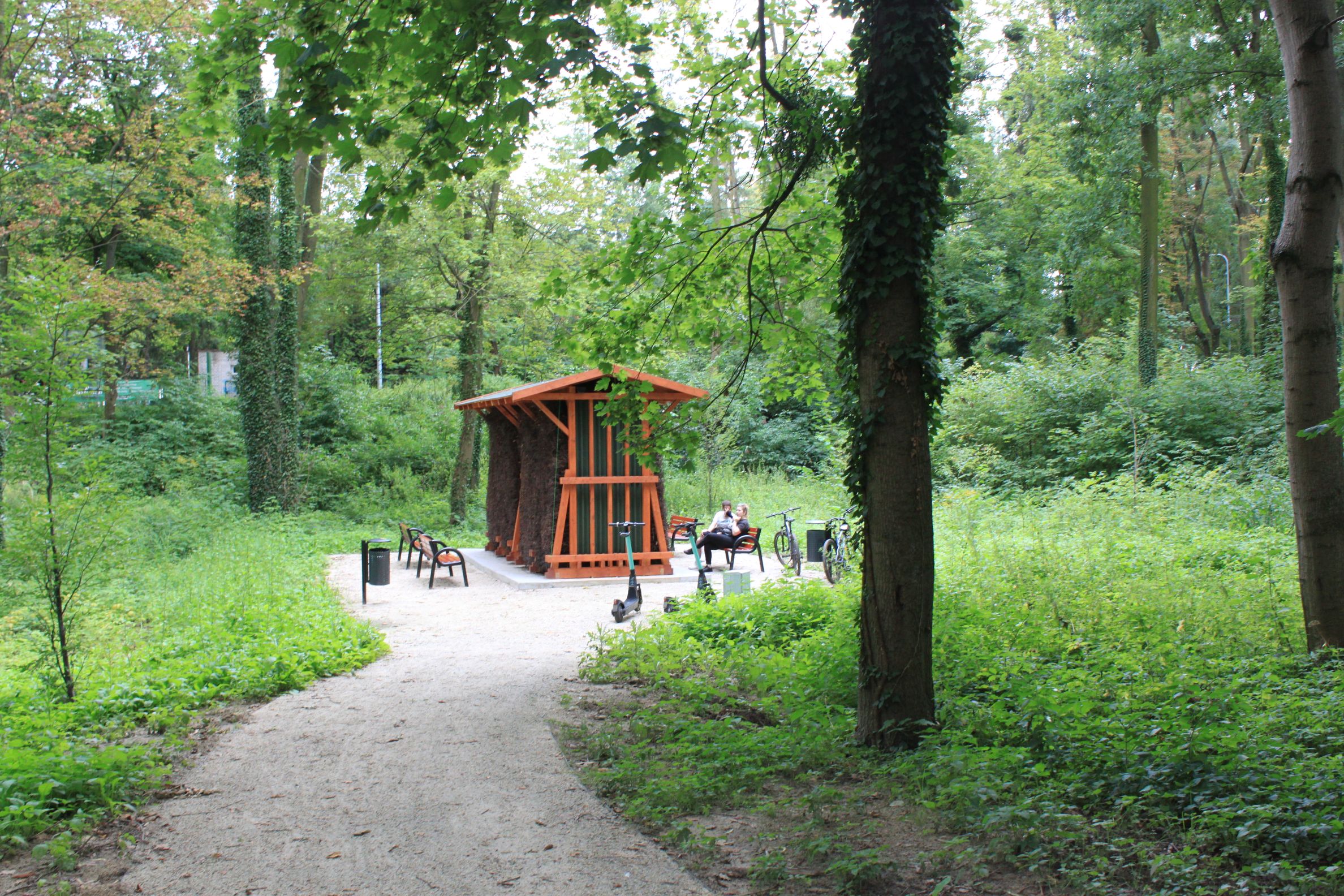
Health park as a new attraction for residents and tourists
Introduction
A health park is a type of city park distinguished by its exceptional health-promoting qualities. It responds to the health challenges faced by developed societies. Until recently, the most well-known parks of this type were health resort parks located in resort municipalities. Thanks to their environmental features and specialized infrastructure, health resort parks complement the therapeutic offerings of resorts. A popular example of health resort park equipment is a brine graduation tower. Current technology allows for their installation regardless of direct access to brine.
Importance of city parks
Health parks are based on urban parks, which have played an important role in the lives of residents and the functioning of cities for many years. One of the oldest parks in Poland, Oliwa Park, is located in the Pomeranian Voivodeship. In the 19th century, in response to the growing need of city residents for contact with nature, many public parks were founded, including: Steffens Park, Brzezieński Park in Gdańsk, South Park in Sopot, and Helth Resort Park in Ustka.
Green areas counterbalance the negative aspects of urban space development. They serve as green islands, places for meetings, play, and physical activity, and their importance is growing. Climate and socio-demographic changes pose new challenges for city dwellers. Increasing heat makes parks invaluable oases providing protection from high temperatures. The accelerating pace of life and psychological burdens also increase the demand for places that enable active leisure. Well-maintained, thoughtfully designed, and developed parks are increasingly becoming tourist attractions that draw visitors.
City parks have different characteristics. Those located on former garden grounds are referred to as manor, palace, or royal parks and primarily provide aesthetic experiences. Parks with sports fields and exercise equipment are called sports parks and, along with playgrounds, offer ideal spaces for active leisure. Parks commemorating important events or historical figures are considered historical parks.
Health park: definition
A separate category is the health park, which is a publicly accessible, territorially defined area: with diverse vegetation (including shaded areas under trees), located in a low-noise area, away from air-polluting elements, accessible by public transport to or near its boundaries, serving recreational, regenerative, and health-promoting functions, and with access to a toilet.
The infrastructure within the park enables active leisure for people in various health conditions, including those with disabilities and the elderly. It includes:
· health-promoting facilities (such as graduation towers, salt caves, health pavilions, rehabilitation or health trails, rehabilitation parks) along with information about their benefits and usage guidelines,
· elements with educational value,
· supplementary elements (e.g., benches).
It is recommended that the internal infrastructure allows safe and comfortable movement along designated paths for people with special needs (particularly those requiring predictable surfaces).
Health parks – why develop them?
The benefits of developing health parks include:
– supporting the health of residents and tourists through opportunities for active leisure in a clean environment and contact with nature,
– enhancing the tourist appeal of locations, as parks are also attractions for visitors,
– cost-effectiveness,
– alignment with current trends in sustainable development and regenerative tourism,
– creating spaces that foster entrepreneurship in the area and increase the attractiveness of adjacent areas.
Prepared by: Dr. A. Białk-Wolf, M. Arent
Summary: Best health parks in Pomerania in 2024.